Blog
An In-Depth Guide to Water Heater Components
Updated on Feb 2025
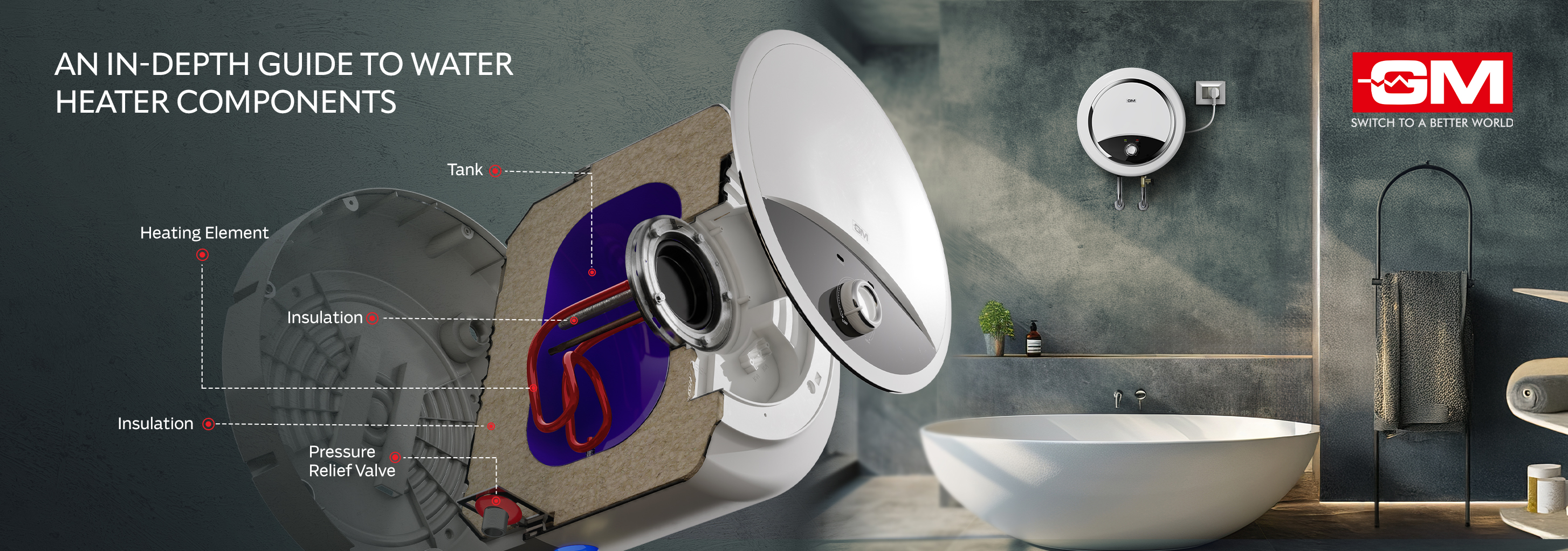
Ever wondered what makes that perfect hot shower possible on a chilly morning? On your walls lies an unsung hero - the water heater, quietly working to bring comfort to your daily routine. Whether you are washing dishes, doing laundry, or enjoying a relaxing bath, this essential appliance plays a crucial role in modern living.
Yet for many homeowners, water heaters remain a mystery—a complex system of parts working in harmony. What really happens when you turn that hot water tap? How do all those water heater components work together to deliver consistent warmth at just the right temperature?
In this comprehensive guide, we will demystify water heaters by exploring their inner workings.
Understanding the Anatomy of a Water Heater
Water heaters, whether traditional storage models or instant types rely on several key parts working in harmony to provide hot water efficiently. Let’s break down the water heater components to understand their roles and significance.
1. Tank
The tank is the core component of a storage water heater. Typically made of steel and lined with protective coatings like nano-polymer or glassline, it stores water and keeps it insulated to maintain temperature.
2. Heating Element
The heating element, often crafted from copper, is responsible for raising the water’s temperature. This part is critical in ensuring quick and efficient heating.
3. Thermostat
A water heater thermostat monitors and regulates water temperature, ensuring safety and efficiency. By maintaining a preset temperature, the thermostat prevents overheating and conserves energy.
4. Anode Rod
The anode rod, usually made of magnesium or aluminium, attracts corrosive elements in the water. This “sacrificial” component protects the tank from rust and extends its lifespan.
5. Pressure Relief Valve
This valve releases water if the pressure inside the tank exceeds safe limits, preventing potential hazards. It’s a vital safety feature for storage water heaters.
6. Dip Tube
The dip tube directs incoming cold water to the bottom of the tank, ensuring efficient heating as hot water rises to the top.
Components of Instant Water Heaters
1. Heat Exchanger
In instant water heaters, the heat exchanger rapidly heats water as it flows through the system. Electric models use heating elements, while gas models rely on burners.
2. Flow Sensor
The flow sensor detects water flow and signals the heating mechanism to activate only when hot water is needed, enhancing energy efficiency.
3. Control Panel
The control panel allows users to adjust water temperature and other settings. Advanced models include digital displays and diagnostic functions.
4. Temperature Sensors
These sensors monitor the outgoing water temperature to ensure it remains consistent and prevents overheating.
5. Safety Mechanisms
Instant water heaters feature safety measures like automatic shutoff and pressure relief systems to safeguard against malfunctions.
Geyser Parts You Should Know
For traditional geysers, understanding geyser parts is essential for maintenance and troubleshooting:
● Geyser Thermostat: Regulates water temperature and prevents overheating.
● Water Heater Rod: The heating element, also known as the immersion rod, directly heats water within the tank.
● Pressure Release Valve: Protects against excessive pressure buildup.
How to Maintain Water Heater Components
Proper maintenance of water heater components can significantly extend the appliance’s lifespan and improve performance:
1. Regularly Inspect the Anode Rod: Replace it if it appears corroded to prevent tank rust.
2. Flush the Tank: Remove sediment buildup to maintain heating efficiency.
3. Check the Thermostat: Ensure it’s functioning correctly and adjust as needed.
4. Inspect Safety Features: Test the pressure relief valve to confirm it’s operational.
5. Clean the Heating Element: Prevent scale buildup by cleaning or replacing the water heater rod periodically.
Why Understanding Components Matters
Knowing how water heater components work can help you:
● Troubleshoot Issues: Quickly identify and address common problems like inconsistent heating or leaks.
● Enhance Efficiency: Optimise settings and perform maintenance to reduce energy consumption.
● Make Informed Purchases: Choose the right water heater or replacement parts tailored to your needs.
Common Issues and Solutions
● Inconsistent Heating: Check the water heater thermostat and heating element for faults.
● Corrosion in Tank: Inspect and replace the anode rod to prevent rust.
● Low Water Pressure: Ensure the dip tube is intact and check for sediment buildup.
Water heaters are indispensable in modern homes, and understanding their components can save time, money, and frustration. From the water heater thermostat to the anode rod, each part plays a crucial role in delivering hot water efficiently. Whether you are exploring instant water heater parts or maintaining your traditional geyser, this guide ensures you are equipped with the knowledge to keep your water heater running smoothly. With GM Modular’s range of advanced water heaters, you can enjoy reliable performance, energy efficiency, and peace of mind. Explore our products today to experience the ultimate in water heating solutions. For a deeper understanding of the various types of water heaters available, check out our blog on Discover the Different Types of Water Heaters for Your Home.
Related Blogs

Bladeless Fan Buying Guide: 10 Checks | GM Modular
Bladeless Fan Buying Guide: 10 Things to Check Before You Buy A bladeless fan looks like the obvious upgrade. No spinning blades, a slim tower, a quiet hum, and a price that hints it must be the better choice. But the word “bladeless” on
Read More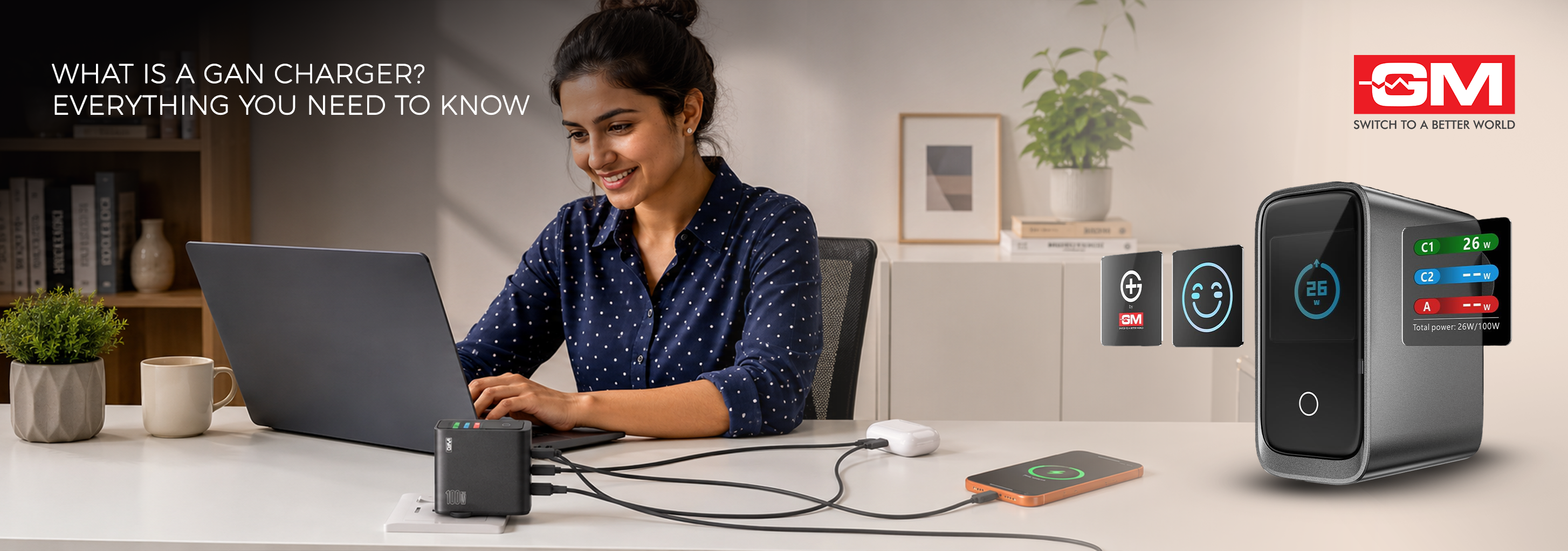
What Is a GaN Charger? A Simple Guide
What Is a GaN Charger? Everything You Need to Know You have probably used gallium nitride for years without knowing it. Before it reached the charger on your wall, this material lit up the first white LEDs, powered blue lasers, and read the discs in
Read More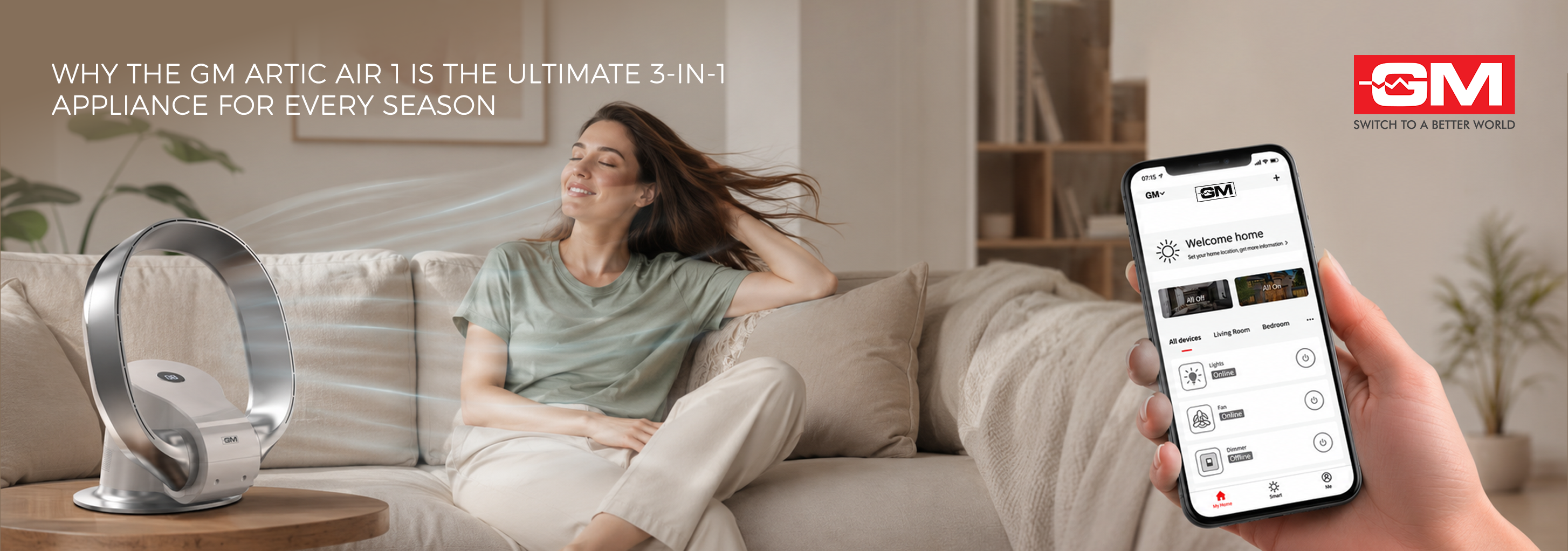
GM Artic Air 1: 3-in-1 Bladeless Tower Fan
Why the GM Artic Air 1 Is the Ultimate 3-in-1 Appliance for Every Season Picture one slim tower in the corner of your living room. In May, it cools you through a brutal afternoon. In August, it clears the damp, stale air the monsoon leaves beh
Read More
Wireless Charging vs Wired Charging: Which Is Faster?
Wireless Charging vs Wired Charging: Which Is Faster? If your phone is at 10% and you have twenty minutes before heading out, which charger should you grab: the cable or the pad? Wireless charging is everywhere now, yet most of us still reach for a
Read More