Blog
The Right Way to Iron Your Clothes: Unlearn & Learn
Updated on Jun 2026
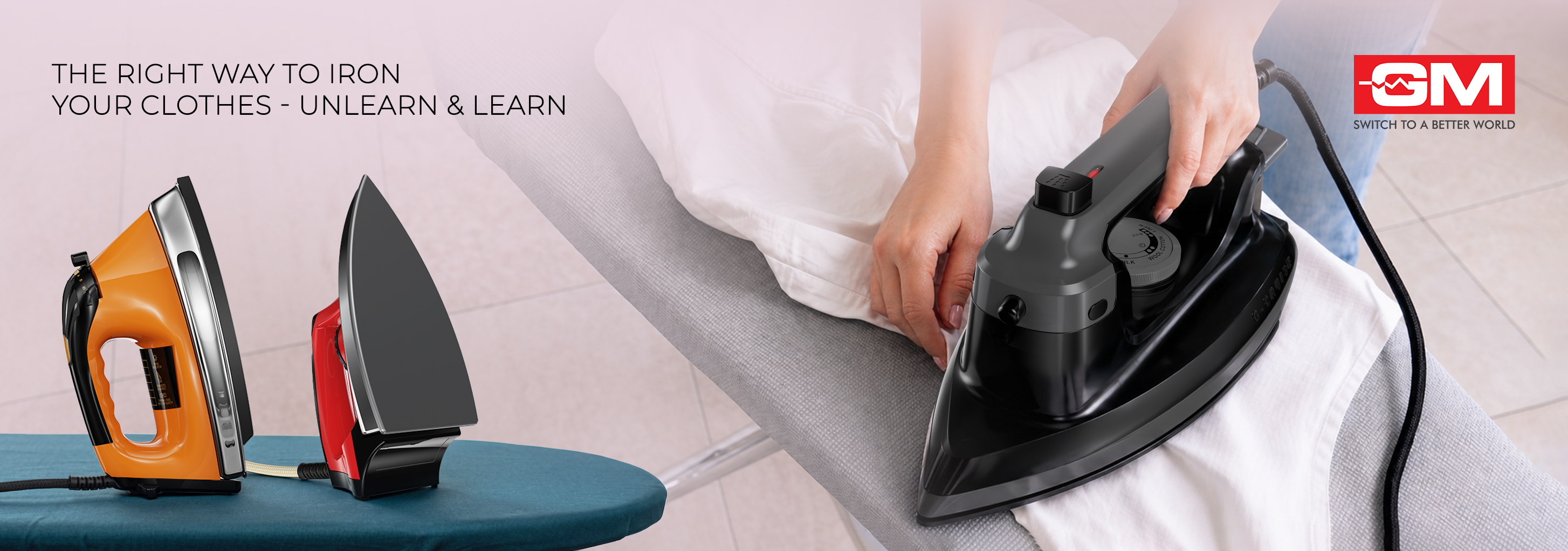
Ever watched a button melt under a hot iron five minutes before work? Or found a scorch mark on silk that was not there seconds ago? These happen when we repeat habits nobody taught us to question. Learning how to iron shirt fabrics properly takes less effort than you think. This guide will help you unlearn the mistakes that ruin clothes and pick up techniques that work.
Short on time? Follow these four rules:
-
Set the iron to the lowest suitable heat; you can always increase it.
-
Test on a hidden seam before pressing visible areas.
-
Place a pressing cloth between the iron and any delicate fabric.
-
Iron clothes slightly damp for a crisper finish with fewer passes.
How Do You Iron Clothes Correctly? The Basics
A few ground rules help before you start. How do you iron clothes without damaging them? It starts with the right tool. Dry irons work well for cotton and polyester; steam irons handle heavier fabrics like linen. Look for a non-stick soleplate (the flat metal base that contacts your clothes) that glides without snagging; GM Modular Dry Irons are a reliable option here.
Here are habits worth unlearning, and what to do instead:
-
Unlearn: Ironing heavy fabrics first. Start with delicate, light-coloured items while the iron warms up. Save cottons and denims for full temperature.
-
Unlearn: Pressing bone-dry clothes. Lightly mist garments or use a damp pressing cloth for a crisper finish.
-
Unlearn: Using circular strokes. These stretch the weave. Use lengthwise strokes instead.
-
Unlearn: Leaving the iron stationary on fabric. Even a few seconds can cause scorch marks, especially on dark clothes.
-
Learn: Check the care label before selecting a temperature. How to iron clothes safely begins with reading fabric instructions.
-
Learn: Iron printed or embroidered garments inside out to prevent peeling or cracking.
These basics apply whether you iron your clothes daily or only before special occasions.
Step-by-Step Guide: How to Iron a Shirt Perfectly
A well-pressed shirt gives you a polished look. Follow these steps to learn how to iron shirt collars, sleeves, and panels without double creases.
-
Preparation: Unbutton the shirt completely. Lay it flat on the board. If you are learning how to iron shirt fabrics for the first time, ensure the board cover is clean, as stains transfer onto light materials.
-
Sleeves and Cuffs: Lay each sleeve flat, aligning the bottom seam. Press from shoulder to cuff, flip, and repeat. For cuffs, open them flat and iron the inside first.
-
Collar: Press the wrong side first, working from the tips toward the centre. Flip and press the right side. This two-step method keeps the collar flat and crisp.
-
Front Panels: Work carefully around buttons. Knowing how to iron shirt fronts properly means pressing between buttons rather than over them to avoid melting plastic. Use the iron’s tip for tight spaces.
-
Back Panel: Press in smooth, straight strokes. If your shirt has a back pleat, iron on either side rather than flattening it.
Master how to iron a shirt fabric with these steps, and the process takes under five minutes. To save more time, iron shirts slightly damp and hang immediately.
Also Read: Steam Iron vs Dry Iron: Which One Should You Buy?
How to Use a Steam Iron for Clothes (Including Mini Steam Irons)
Steam irons combine moisture and heat, making them ideal for stubborn wrinkles. Here is how to use a steam iron for clothes effectively:
Fill the water tank to the indicated level (never overfill), plug in, and wait for the indicator light. Use the burst of steam function for deep-set wrinkles on cotton or linen. A single pass smooths them flat. This works especially well when you need to know how to iron shirt creases out of formal wear.
A mini steam iron for clothes is a practical companion for travellers. These compact models heat up quickly for touch-ups, though a full-sized unit works better for large loads.
GM Modular Steam Irons feature anti-drip technology (a mechanism that stops water from leaking from steam vents at low temperatures), helping prevent water stains on garments.
Quick Reference: Fabric Safety Cheat Sheet
Special Care: How to Iron Velvet Fabric
Velvet is one of the easiest fabrics to ruin, and one of the easiest to protect, if you follow one rule: never let the soleplate touch it directly.
The pile (the raised surface texture that gives velvet its soft feel) crushes permanently under direct heat, leaving shiny flat patches. To iron velvet fabric safely, turn the garment inside out and place it face down on a thick towel. This cushions the pile while you press the reverse side. Better still, hold your steam iron an inch above the surface and let the steam lift wrinkles without contact.
What about silk? The same principle applies. Use a cotton pressing cloth between the iron and the silk, set the temperature to low, and avoid steam unless the label permits. If you often think, “I want to iron my clothes without risking the delicate ones,” test on a hidden seam first.
How to iron velvet fabric properly is about patience and a light hand.
Electrical Safety and Iron Maintenance
Keeping your iron in good condition protects both your clothes and your home:
-
Unplug immediately after use and let it cool on a heat-resistant surface.
-
Empty the water tank after every use to prevent mineral build-up.
-
Keep the hot soleplate away from the cord and out of children’s reach.
-
Clean the soleplate periodically to remove burnt fibres.
Made a mistake? Quick fixes:
-
Double crease: Mist the area with water and re-press with a single firm pass.
-
Shine on dark fabric: Hold a steam iron an inch above the spot; brush gently with a soft cloth once the fibres relax.
-
Light scorch: Dab with a cloth dampened in diluted white vinegar and air dry.
Always turn off the power supply before any electrical work. If unsure, consult a qualified electrician.
With the right technique, ironing becomes a quick routine you handle with confidence. You now know how to iron clothes across fabric types, from cotton to velvet and silk, and how to fix mistakes if they happen. Learn how to iron shirt panels methodically, respect the care label, and you will not second-guess your iron again. GM Modular’s range of irons is built to support that confidence.
Frequently Asked Questions
1. How to iron shirt sleeves without creasing them?
Lay the sleeve flat, align the bottom seam, and press from shoulder to cuff. A sleeve board helps, but aligning seams on a standard board works just as well.
2. How do you iron clothes that are heavily wrinkled?
Use a steam iron on high and hold the burst of steam button over the wrinkled area. Misting the fabric with water before pressing also helps.
3. Is a mini steam iron for clothes effective for daily use?
Yes, compact steam irons handle quick touch-ups and travel well. For larger garments, a full-sized model is more practical.
4. Can I use steam when learning how to iron velvet fabric?
Yes. Hovering a steam iron an inch above the velvet is the safest way to remove wrinkles. The steam lifts the pile without crushing it.
5. Why should I choose GM Modular when looking to iron my clothes safely?
GM Modular irons feature non-stick soleplates, ergonomic handles, and safety features like anti-drip technology, designed to deliver a crisp finish while minimising fabric damage or water stains.
Related Blogs
Bladeless Fan Buying Guide: 10 Checks | GM Modular
Bladeless Fan Buying Guide: 10 Things to Check Before You Buy A bladeless fan looks like the obvious upgrade. No spinning blades, a slim tower, a quiet hum, and a price that hints it must be the better choice. But the word “bladeless” on
Read More
What Is a GaN Charger? A Simple Guide
What Is a GaN Charger? Everything You Need to Know You have probably used gallium nitride for years without knowing it. Before it reached the charger on your wall, this material lit up the first white LEDs, powered blue lasers, and read the discs in
Read More
GM Artic Air 1: 3-in-1 Bladeless Tower Fan
Why the GM Artic Air 1 Is the Ultimate 3-in-1 Appliance for Every Season Picture one slim tower in the corner of your living room. In May, it cools you through a brutal afternoon. In August, it clears the damp, stale air the monsoon leaves beh
Read More
Wireless Charging vs Wired Charging: Which Is Faster?
Wireless Charging vs Wired Charging: Which Is Faster? If your phone is at 10% and you have twenty minutes before heading out, which charger should you grab: the cable or the pad? Wireless charging is everywhere now, yet most of us still reach for a
Read More