Blog
Home Automation Trends to Watch in 2026
Updated on Feb 2026
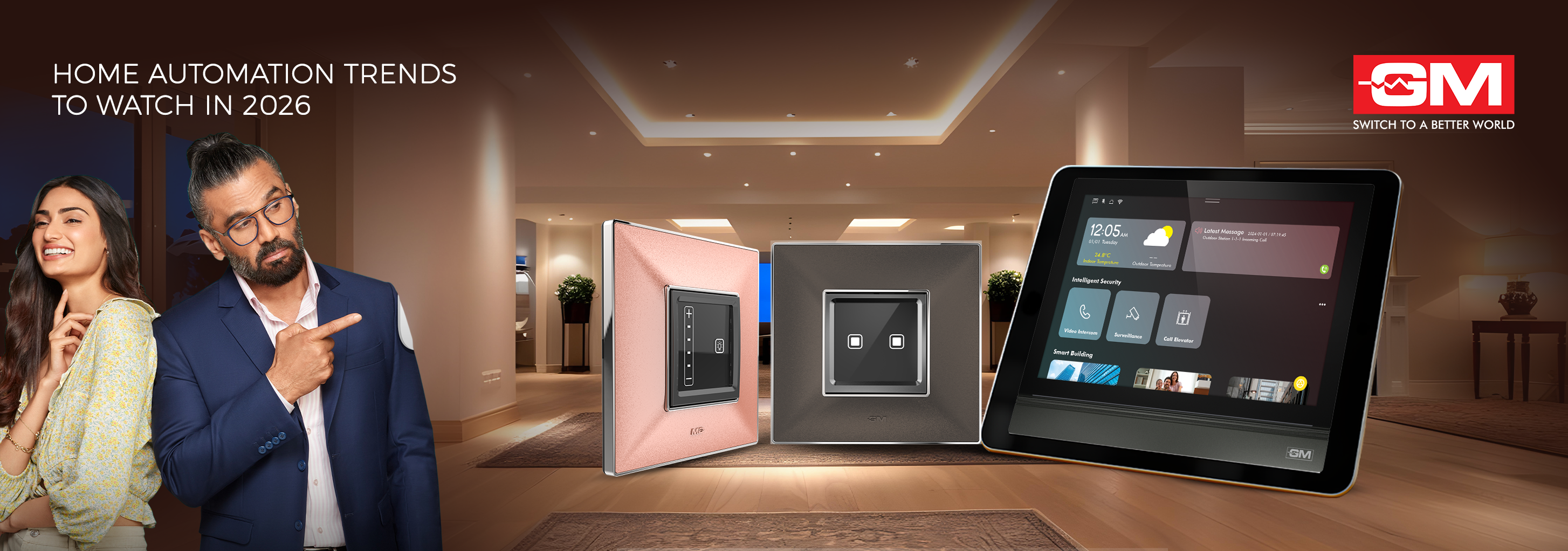
Imagine walking into your home after a long day. The lights adjust to your preferred evening setting, the fan speeds up to counter the summer heat, and your favourite playlist begins softly in the background. No buttons pressed, no commands spoken. This is the promise of home automation in 2026. Indian homeowners increasingly seek technology that blends into living spaces while delivering real benefits like energy savings and enhanced security. This guide explores the key home automation trends shaping connected living next year.
The Evolution of Smart Home Technology
Smart home automation has transformed dramatically over the past decade. Early systems operated in isolation, with separate apps for lights, security, and climate control. Today's approach prioritises integration, where devices communicate to create a unified experience.
Consider a practical example: when you leave for work, a single "goodbye" routine locks your doors, switches off lights, lowers the AC, and arms security simultaneously. This orchestration reflects the demand for intuitive technology that anticipates needs. Energy efficiency has also become a primary driver, with homeowners wanting systems that monitor consumption automatically.
Trend 1: The Power of Wired Home Automation
For those building new homes, wired home automation represents the gold standard in reliability. Unlike wireless systems that depend on Wi-Fi signals, wired networks operate independently, ensuring consistent performance during internet outages.
The KNX international standard has emerged as the preferred protocol for premium installations, ensuring compatibility across devices and future-proofing your investment. GM Modular's G-BUS smart home solutions leverage this technology to deliver robust whole-home control. Contractors install the infrastructure during construction, creating a permanent backbone for lighting, climate, and security management. Because wired installations involve complex electrical work, always engage certified professionals.
Trend 2: The Freedom of Wireless Home Automation
Living in an existing home? Wireless home automation offers remarkable flexibility without structural modifications. Modern systems replace existing switches with smart alternatives, eliminating rewiring or wall alterations.
Scalability stands out as another advantage. You can begin with a single room, then expand gradually as budget allows. Many homeowners in urban apartments start by automating bedroom lights and fans, then progressively add living room controls and security features over the following months. This modular approach makes smart technology accessible without full-scale renovation. GM Modular's wireless solutions, including the i-Fi range, cater specifically to this retrofit market.
For a complete overview of the concept, check out What Is Smart Home Automation and How Does It Work?
Wired vs Wireless: Quick Comparison
Here is a simple way to decide which approach suits your home:
| Factor | Wired Systems | Wireless Systems |
| Best For | New constructions, large homes | Existing homes, apartments |
| Reliability | Excellent (Wi-Fi independent) | Good (signal dependent) |
| Installation | Professional electrician required | DIY-friendly for basics |
| Initial Cost | Higher | Lower entry point |
Also Read: What Is Home Automation? Meaning, Benefits, and Examples
Top Home Automation Trends for 2026
Beyond wired versus wireless choices, several specific trends define what homeowners will expect:
-
Centralised Control Hubs: Managing multiple apps is becoming obsolete. Wall-mounted touchscreens now consolidate lights, fans, security, and climate into one interface. GM Modular's Smart Control Screens (3.5" and 5" variants) exemplify this unified approach.
-
Aesthetic Integration: Technology must complement interior design. Glass-front switches, touch sensors with customisable finishes, and sleek panels blend seamlessly with modern Indian homes.
-
Energy Management: Real-time consumption monitoring helps households identify inefficiencies and reduce electricity bills through intelligent scheduling and occupancy-based controls.
-
Integrated Security: Video door phones streaming to mobile apps, motion cameras, and smart locks now connect with lighting and alerts. GM Modular's home protection range addresses this demand for unified security.
Challenges to Consider
As you explore these home automation trends, remember that no technology is without trade-offs. Wireless systems depend on stable internet connectivity, which can be inconsistent in some areas. All automated systems require periodic software updates and occasional troubleshooting. There's also a learning curve as household members adapt to new routines and controls. Understanding these realities up front helps you plan appropriately and set realistic expectations. The right product choice and professional installation eliminate most of these issues in real-world usage.
Preparing Your Home for the Future
Choosing the right system requires thoughtful planning:
-
Assess Your Infrastructure: New constructions accommodate wired smart home automation systems like G-BUS, while existing homes benefit from wireless solutions.
-
Define Budget and Priorities: Start with essentials like lighting and security, then expand to climate and entertainment.
-
Consult Professionals: Work with certified electricians who understand both technology and local codes. GM Modular's authorised dealer network can recommend tailored solutions.
Professional Installation Matters
While wireless setups can be DIY-friendly for basics, comprehensive systems demand professional expertise. Wired installations especially require licensed electricians to ensure safety and code compliance. Always follow manufacturer guidelines for any automated system.
The home automation trends of 2026 point toward technology that enhances lifestyle without demanding constant attention. Whether you choose wired reliability or wireless flexibility, the goal remains: a home that responds intelligently to your needs. Visit a GM Modular experience centre to explore these trends firsthand and discover how connected living can transform your everyday experience.
Also Read: 5 Reasons why you should switch to Home Automation.
Frequently Asked Questions
1. What is the main benefit of home automation in 2026?
Seamless integration tops the list. Modern systems connect lighting, security, climate, and entertainment into one unified platform that responds intuitively to your routines, saving energy and enhancing daily convenience.
2. What is the difference between wired and wireless systems?
Wired automation uses physical cables for superior reliability, ideal for new constructions. Wireless operates through Wi-Fi or radio signals, perfect for retrofitting existing homes without structural changes.
3. Can I install smart home automation in an old house?
Yes. Wireless solutions like GM Modular's i-Fi range replace existing switches without new wiring, making upgrades accessible regardless of your property's age.
4. How do automated systems help with energy efficiency?
Smart systems monitor consumption and automate devices based on occupancy. Lights turn off in empty rooms, fans adjust to temperature, and you receive insights to eliminate waste.
5. Are trends shifting towards voice control?
Voice remains popular, but homeowners increasingly want multiple options: touchscreens, mobile apps, voice assistants, and automated schedules working together for maximum flexibility.
Related Blogs

Bladeless Fan Buying Guide: 10 Checks | GM Modular
Bladeless Fan Buying Guide: 10 Things to Check Before You Buy A bladeless fan looks like the obvious upgrade. No spinning blades, a slim tower, a quiet hum, and a price that hints it must be the better choice. But the word “bladeless” on
Read More
What Is a GaN Charger? A Simple Guide
What Is a GaN Charger? Everything You Need to Know You have probably used gallium nitride for years without knowing it. Before it reached the charger on your wall, this material lit up the first white LEDs, powered blue lasers, and read the discs in
Read More
GM Artic Air 1: 3-in-1 Bladeless Tower Fan
Why the GM Artic Air 1 Is the Ultimate 3-in-1 Appliance for Every Season Picture one slim tower in the corner of your living room. In May, it cools you through a brutal afternoon. In August, it clears the damp, stale air the monsoon leaves beh
Read More
Wireless Charging vs Wired Charging: Which Is Faster?
Wireless Charging vs Wired Charging: Which Is Faster? If your phone is at 10% and you have twenty minutes before heading out, which charger should you grab: the cable or the pad? Wireless charging is everywhere now, yet most of us still reach for a
Read More