Blog
What is a Flood Light? Definition, Purpose, and Applications
Updated on Apr 2025
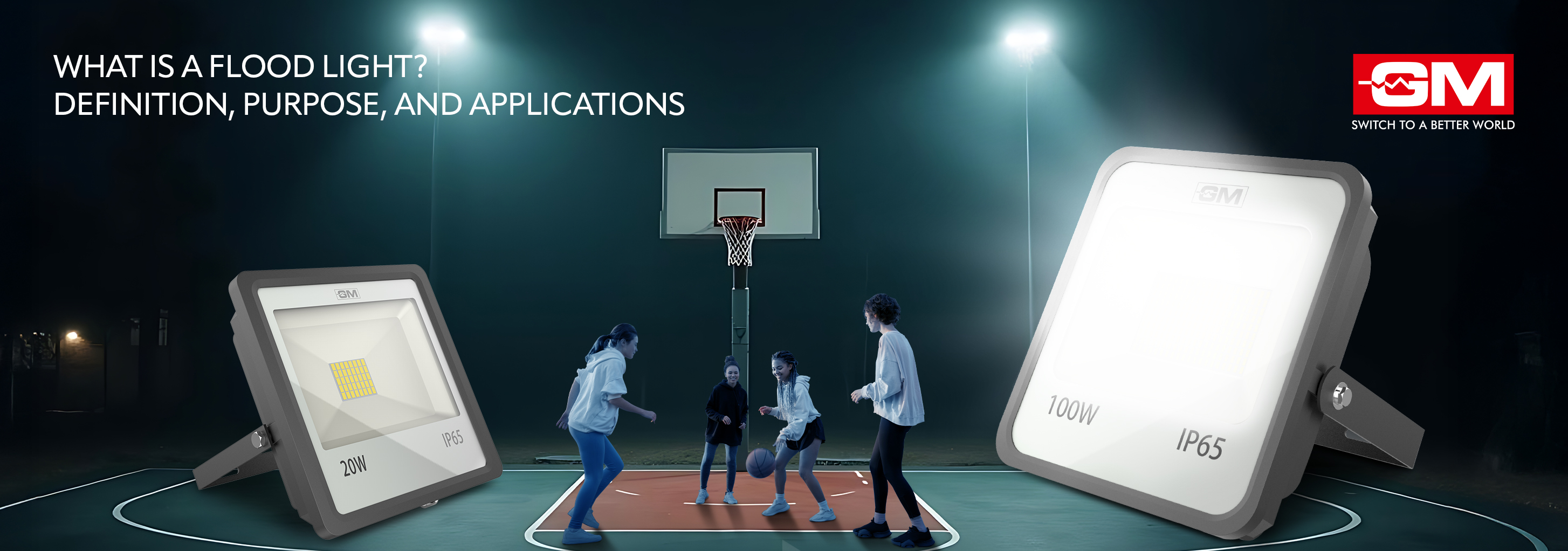
In the world of lighting, flood lights stand out for their power and versatility. Often seen lighting up large sports fields, enhancing home security, or highlighting architectural details, these lights are an essential part of both commercial and residential lighting landscapes. In this blog, we delve into the definition, purpose, and various applications of flood lights to help you understand their significance and functionality.
Definition of Flood Light
A flood light is a high-intensity, and broad-beamed source of light. The artificial flood lighting is used for illuminating large areas. These lights are capable of lighting up expansive spaces with their wide beam spread, often ranging from 60 to 120 degrees. Flood lights can be equipped with various types of bulbs including LED, halogen, and high-intensity discharge (HID) lamps, depending on the required intensity and energy efficiency needs.
The Purpose of Flood Lights
The primary flood light purpose is to provide intense, even illumination across large areas for visibility and security. These lights are designed to ‘flood’ an area with light, hence the name. Due to their powerful output, flood lights are ideal for use in settings that require expansive illumination such as:
- Security: Enhancing nighttime security by lighting up dark areas around buildings and homes.
- Sports Venues: Allowing for sports and events to take place during the evening or in low-light conditions.
- Architectural Lighting: Accentuating the façade of buildings and monuments, making architectural details visible at night.
- Outdoor Events: Providing sufficient lighting for concerts, festivals, and other outdoor events.
Key Benefits of LED Flood Lights
Flood lights offer a plethora of benefits such as:
- Energy Efficiency: LED flood lights consume significantly less energy compared to traditional lighting options, which helps reduce electricity costs.
- Longevity: LEDs have a longer lifespan, which minimises replacement costs and maintenance.
- Durability: With higher IP ratings, LED flood lights are robust enough to withstand harsh weather conditions and environmental factors.
- Improved Safety: LEDs emit almost no forward heat making them safer to use in various settings.
Applications of Flood Lighting
Flood lights are versatile and find applications in numerous fields:
- Outdoor Recreation: Used in stadiums and sports complexes to host events during nighttime, ensuring players and spectators can see clearly.
- Commercial Security: Businesses use flood lights to secure their premises by deterring intruders and improving visibility for surveillance cameras.
- Residential Safety: Homeowners install flood lights in their yards and along driveways to enhance security and safety after dark.
- Architectural and Landscape Lighting: Flood lights highlight landscape elements and building facades, enhancing aesthetic appeal and curb appeal during nighttime.
Common Uses of Flood Lights
Some of the most common uses of flood lights include:
- Industrial Areas: For illuminating warehouses, construction sites, and manufacturing facilities to ensure 24/7 operations.
- Public Spaces: For lighting up parking lots, parks, and playgrounds to improve nighttime safety and usability.
- Event Lighting: For providing adequate lighting for outdoor social gatherings and public events as well as for disaster response efforts.
Choosing the Right Flood Light
When selecting a flood light, consider the following factors:
- Brightness: The lumen output should be appropriate for the area you need to illuminate.
- Energy Efficiency: Opt for LED options to enjoy longer service life and reduced energy consumption.
- Durability: Ensure the fixture has an adequate IP rating to withstand environmental conditions such as rain, dust, and extreme temperatures.
- Beam Angle: Choose a beam angle that best suits your lighting needs; wider beams for large areas and narrower beams for focused lighting.
Flood lights are a powerful tool in both enhancing the functionality of large spaces and improving safety and security. Their ability to provide significant illumination makes them a preferred choice in various sectors. Whether you are looking to light up a stadium, secure a facility, or highlight an architectural marvel, understanding the purpose and applications of flood lights can help you make informed decisions about the lighting solutions best suited for your needs. You can find one for your specific needs at GM Modular today!
Related Blogs
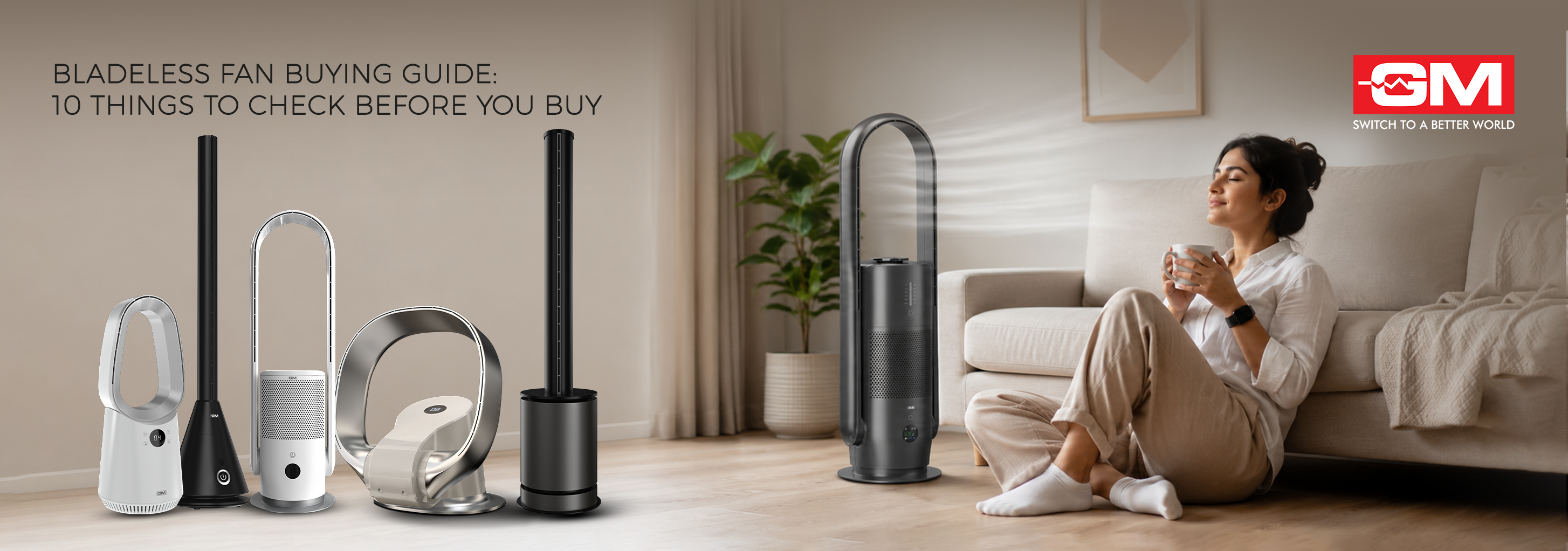
Bladeless Fan Buying Guide: 10 Checks | GM Modular
Bladeless Fan Buying Guide: 10 Things to Check Before You Buy A bladeless fan looks like the obvious upgrade. No spinning blades, a slim tower, a quiet hum, and a price that hints it must be the better choice. But the word “bladeless” on
Read More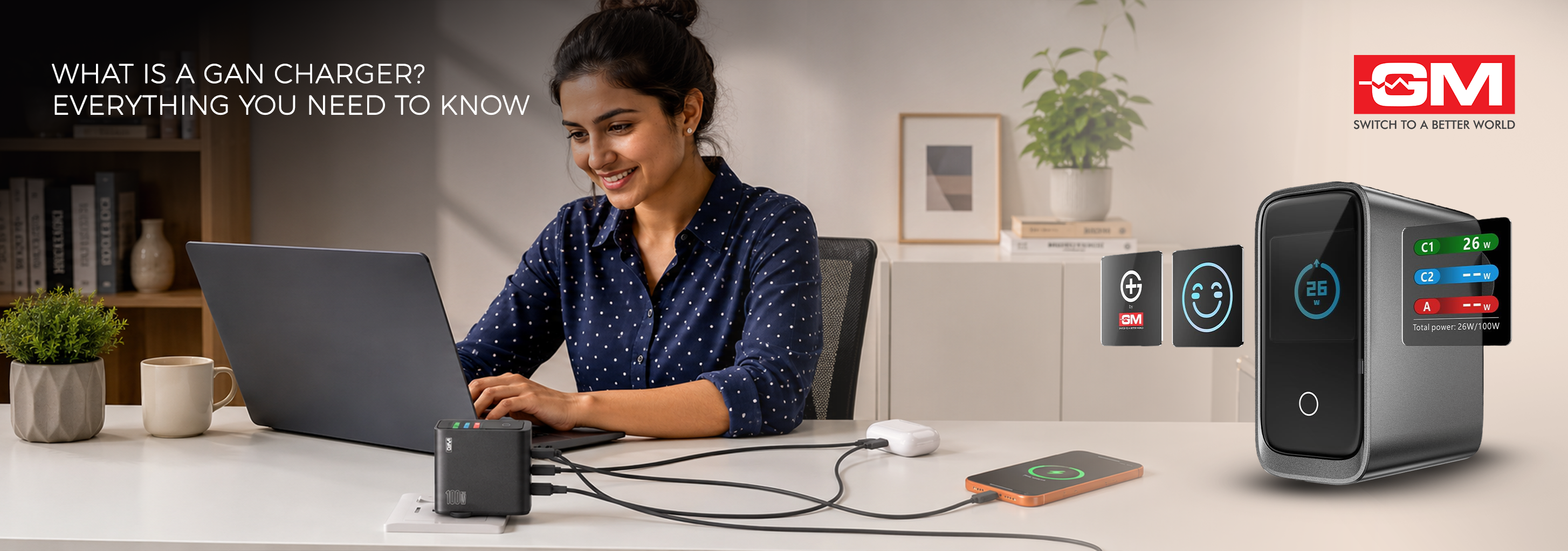
What Is a GaN Charger? A Simple Guide
What Is a GaN Charger? Everything You Need to Know You have probably used gallium nitride for years without knowing it. Before it reached the charger on your wall, this material lit up the first white LEDs, powered blue lasers, and read the discs in
Read More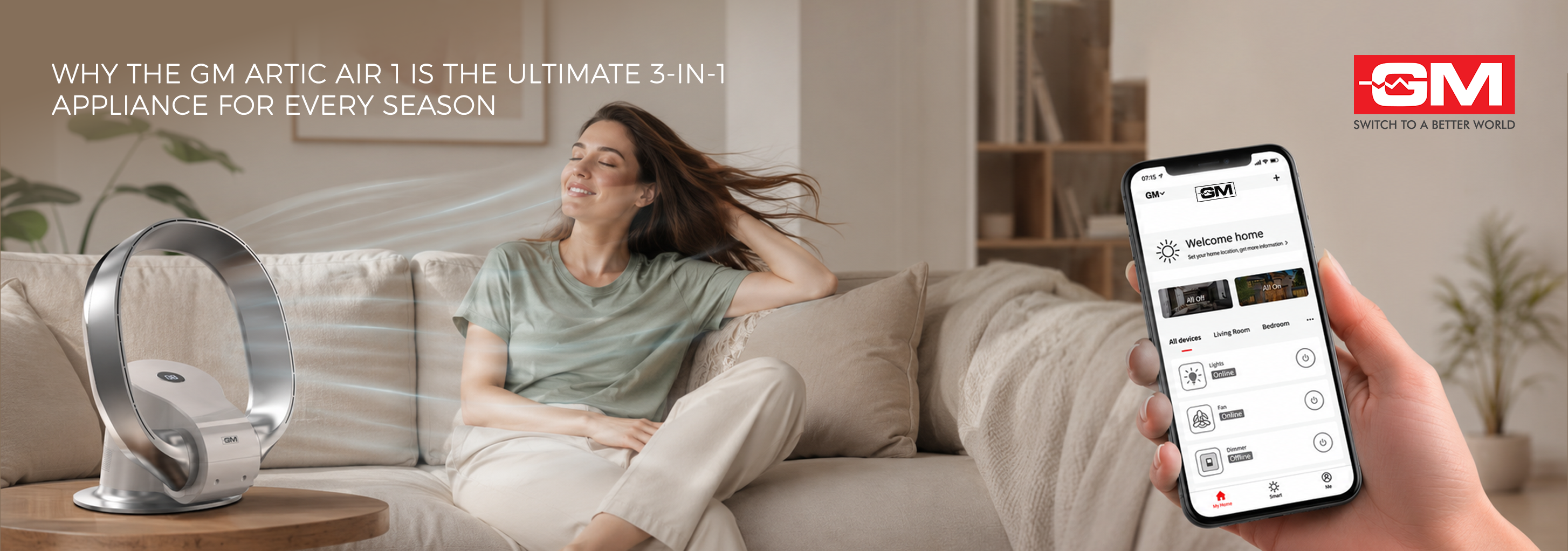
GM Artic Air 1: 3-in-1 Bladeless Tower Fan
Why the GM Artic Air 1 Is the Ultimate 3-in-1 Appliance for Every Season Picture one slim tower in the corner of your living room. In May, it cools you through a brutal afternoon. In August, it clears the damp, stale air the monsoon leaves beh
Read More
Wireless Charging vs Wired Charging: Which Is Faster?
Wireless Charging vs Wired Charging: Which Is Faster? If your phone is at 10% and you have twenty minutes before heading out, which charger should you grab: the cable or the pad? Wireless charging is everywhere now, yet most of us still reach for a
Read More