Blog
How Does a Light Bulb Work? Here’s the Breakdown
Updated on Jan 2026
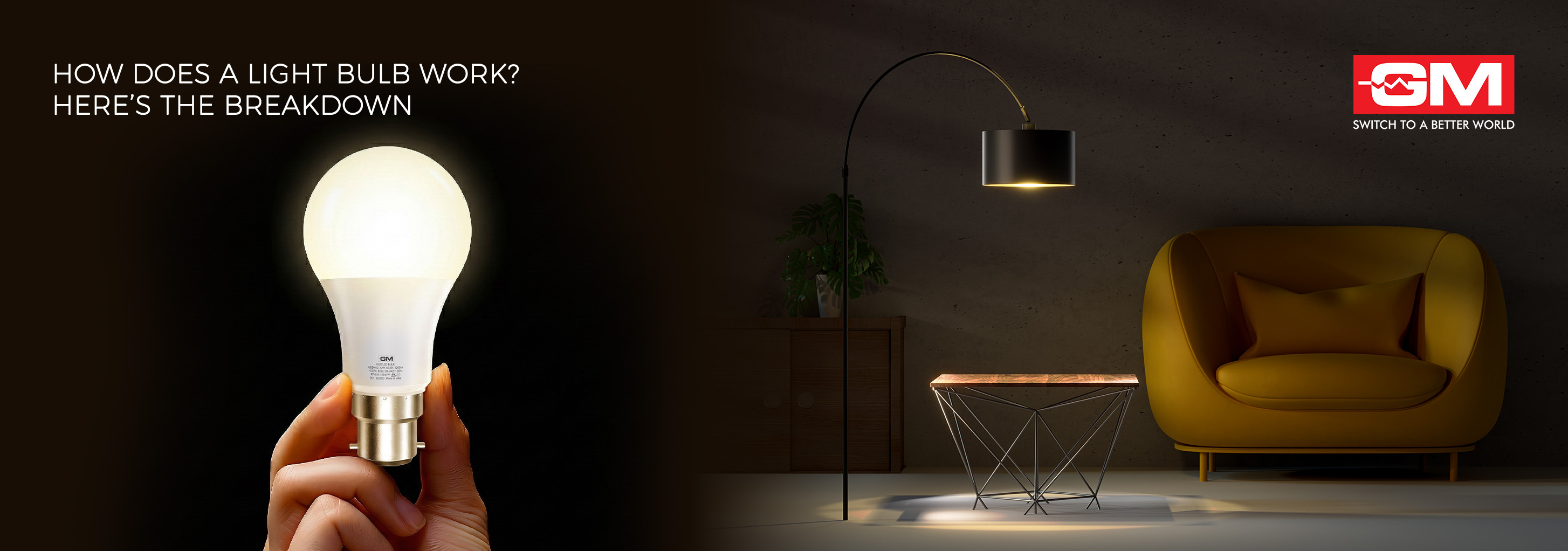
Light bulbs are such an ordinary part of our daily lives that we barely pause to think about how they work. You flip a switch, and your room fills with light. But behind that simple moment lies a fascinating process involving electricity, materials, and physics working together to illuminate your space.
From traditional incandescent bulbs and compact fluorescent lamps (CFLs) to fluorescent tubes and modern LED bulbs, most of us rely on today, each type uses a different mechanism to produce light. Understanding these mechanisms can help you make smarter lighting choices and appreciate the technology you use every day.
Here is a detailed breakdown of how a light bulb works
Below are the different types of bulbs you see today and exactly how each one functions internally.
Incandescent Bulbs
Incandescent bulbs are the oldest and simplest lighting technology, making them the easiest to understand when learning about how they work.
Inside the bulb, there is a tiny metal wire called a filament, usually made of tungsten. When you switch on the light, electrical current passes through this filament, causing it to heat up to extremely high temperatures, around 2500°C or more. When the filament gets hot enough, it starts glowing and produces visible light.
The glass around the filament protects it from oxygen. Without the glass enclosure, the filament would burn out instantly. The bulb is also filled with an inert gas like argon to help the filament last longer.
Incandescent bulbs are known for their warm, pleasant glow, but they are extremely inefficient because most of the electrical energy turns into heat, not light. This is why they have mostly been replaced by modern lighting solutions. Still, understanding this mechanism is essential to grasping how a light bulb works in the most fundamental sense.
Compact Fluorescent Lamps (CFLs)
If you’re curious how CFL light bulbs work, the process is more complex than incandescent bulbs, but still easy to understand. A CFL bulb contains a small amount of mercury vapour and an internal coating of phosphor. When electricity flows through the bulb, it excites the mercury vapour, causing it to release ultraviolet (UV) light. This UV light then hits the phosphor coating inside the tube, causing it to glow and produce visible light.
The phosphor coating determines the colour temperature of the bulb, cool white, warm white, daylight, etc. CFLs use much less energy than incandescent bulbs and last longer, but they contain mercury, which makes disposal tricky. They also take a few seconds to warm up and reach full brightness. This is why many homes now prefer LEDs over CFLs.
Fluorescent Tubes
Fluorescent tubes work almost the same way as CFLs; thus, the explanation of how fluorescent bulbs work is very similar.
These long tubes contain mercury vapour, electrodes on both ends, and a phosphor coating inside. When electricity passes through the tube, it excites the mercury vapour, producing UV light, which then strikes the phosphor coating to produce visible illumination.
Fluorescent tubes are brighter and more suitable for large spaces like offices, schools, and commercial areas. They consume less energy compared to incandescent bulbs, but still fall short when compared to LEDs. The major drawbacks include flickering, buzzing sounds, and the presence of mercury. Understanding how they work is important because they were widely used before the LED revolution took over.
LED Bulbs
When looking at the LED bulb, it is common to think about its functionality and how LED bulbs work. LEDs have become the lighting standard in most modern homes. LED stands for Light Emitting Diode. These solutions do not rely on heated filaments or gas vapours; instead, they use semiconductor materials.
Here’s how an LED bulb works:
When electricity flows through the semiconductor, electrons move across the material and release energy in the form of light. This process generates light directly without producing much heat, making LEDs the most energy-efficient option available.
The colour and brightness of an LED depend on the materials used in the semiconductor. LEDs can also be designed for warm, cool, or daylight tones, giving users multiple choices depending on ambience. LEDs are safer, more durable, and environmentally friendly compared to all other bulb types.
Why Do Different Bulbs Produce Light Differently?
All bulbs create light, but each uses a completely different mechanism:
-
Incandescent uses heat-based light
-
CFL & Fluorescent Tubes use a gas and phosphor reaction
-
LEDs use semiconductor-based light
This difference affects everything from energy consumption to colour quality, heat levels, durability, and performance.
Choosing the Right Bulb for Your Home
Once you understand how a light bulb works, it becomes much easier to choose the right one for your space. Here’s what to consider:
Energy Efficiency
LEDs use around 80% less energy than incandescent bulbs and last up to 25 times longer. CFLs are more efficient than old bulbs but not as good as LEDs. Fluorescent tubes are efficient for large spaces but not ideal for homes.
Brightness and Colour Tone
Brightness is measured in lumens, while colour tone is measured in Kelvin. LEDs offer the widest range of options for both, making them the most versatile.
Heat Emission
Since incandescent bulbs work by heating metal, they release a lot of heat. On the other hand, CFLs release some heat and LEDs stay cool, making them safer and more efficient.
Environmental Impact
LEDs are the safest when it comes to environmental impact, while CFLs and fluorescent tubes contain mercury, requiring careful disposal.
Understanding how a light bulb works gives you the clarity to choose the right type of lighting for your home or workspace. From the old-school warmth of incandescent bulbs to the scientific brilliance of CFLs and fluorescent tubes, each technology has served its purpose through time. But LEDs represent the future, ensuring utmost efficiency, cost-effectiveness, durability, and environmental friendliness.
Today, most homes and businesses rely on LED solutions because they deliver the perfect balance of brightness, savings, and performance. GM Modular have made this even better by offering high-quality GM LED bulbs designed for modern living. The range of bulbs provides consistent light output, long lifespan, and lower energy bills, making them an ideal upgrade for every household.
As lighting continues to evolve, understanding what goes on inside each bulb helps you appreciate the innovation behind everyday illumination. And the next time someone asks how these bulbs work, you’ll know exactly how to explain it.
Frequently Asked Questions
1. How does a light bulb produce light?
It depends on the type. Incandescent bulbs create light by heating a metal filament, CFLs and fluorescent tubes use gas and phosphor reactions, and LEDs generate light using semiconductors.
2. How do LED bulbs work?
LEDs use a semiconductor that emits light when electricity passes through it. They produce very little heat and are highly energy-efficient, making them ideal for homes.
3. Why are LED bulbs better than CFLs?
LEDs last longer, consume less energy, do not contain mercury, and offer better brightness control. They are also safer and more eco-friendly.
4. Which type of bulb should I use at home?
LED bulbs are recommended for most households due to their efficiency, longevity, brightness quality, and safety. They help reduce electricity bills and offer better lighting performance.
Related Blogs
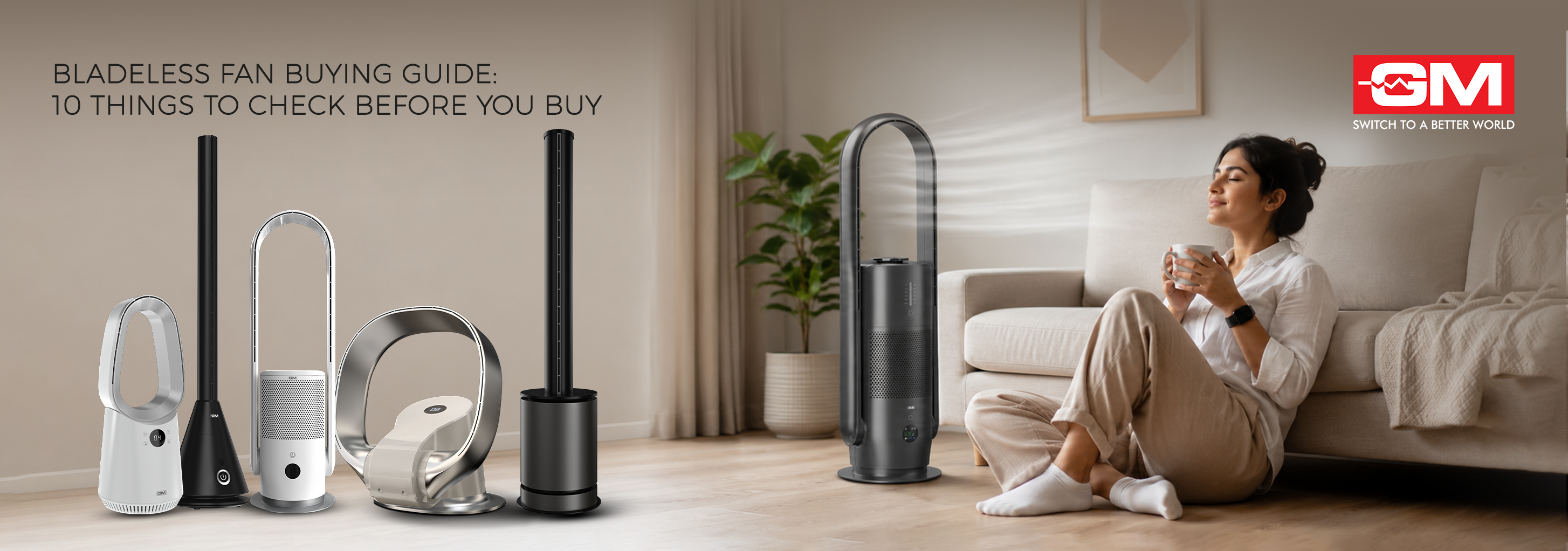
Bladeless Fan Buying Guide: 10 Checks | GM Modular
Bladeless Fan Buying Guide: 10 Things to Check Before You Buy A bladeless fan looks like the obvious upgrade. No spinning blades, a slim tower, a quiet hum, and a price that hints it must be the better choice. But the word “bladeless” on
Read More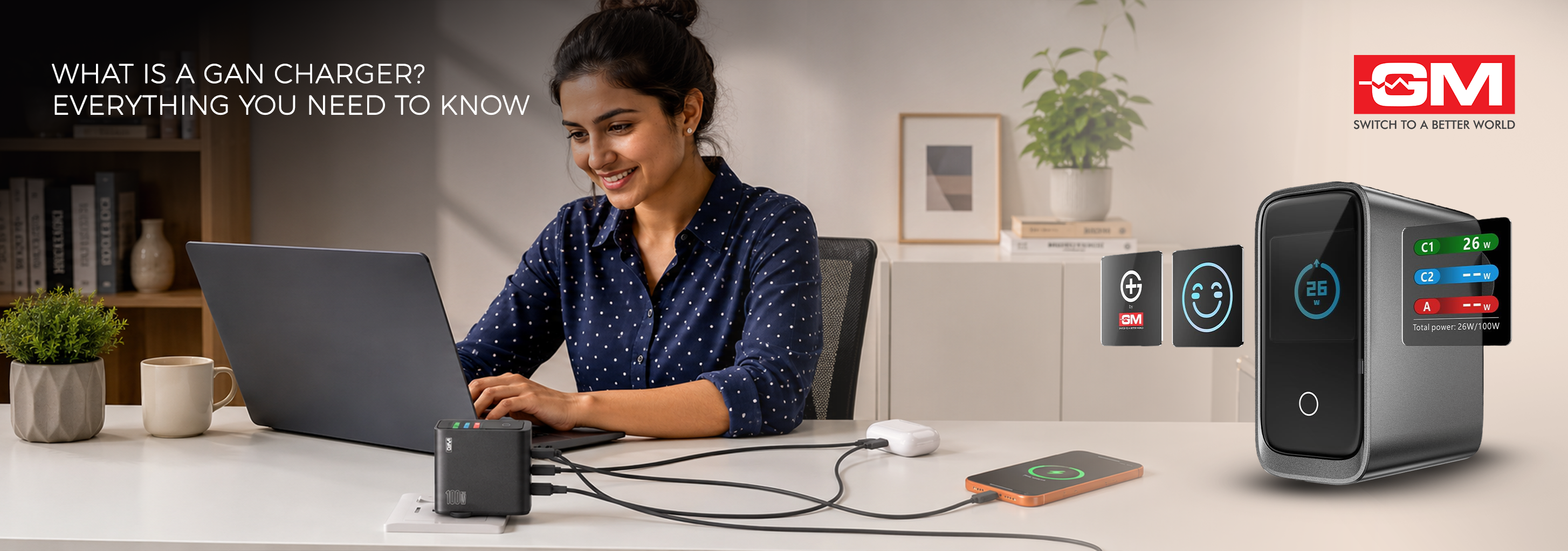
What Is a GaN Charger? A Simple Guide
What Is a GaN Charger? Everything You Need to Know You have probably used gallium nitride for years without knowing it. Before it reached the charger on your wall, this material lit up the first white LEDs, powered blue lasers, and read the discs in
Read More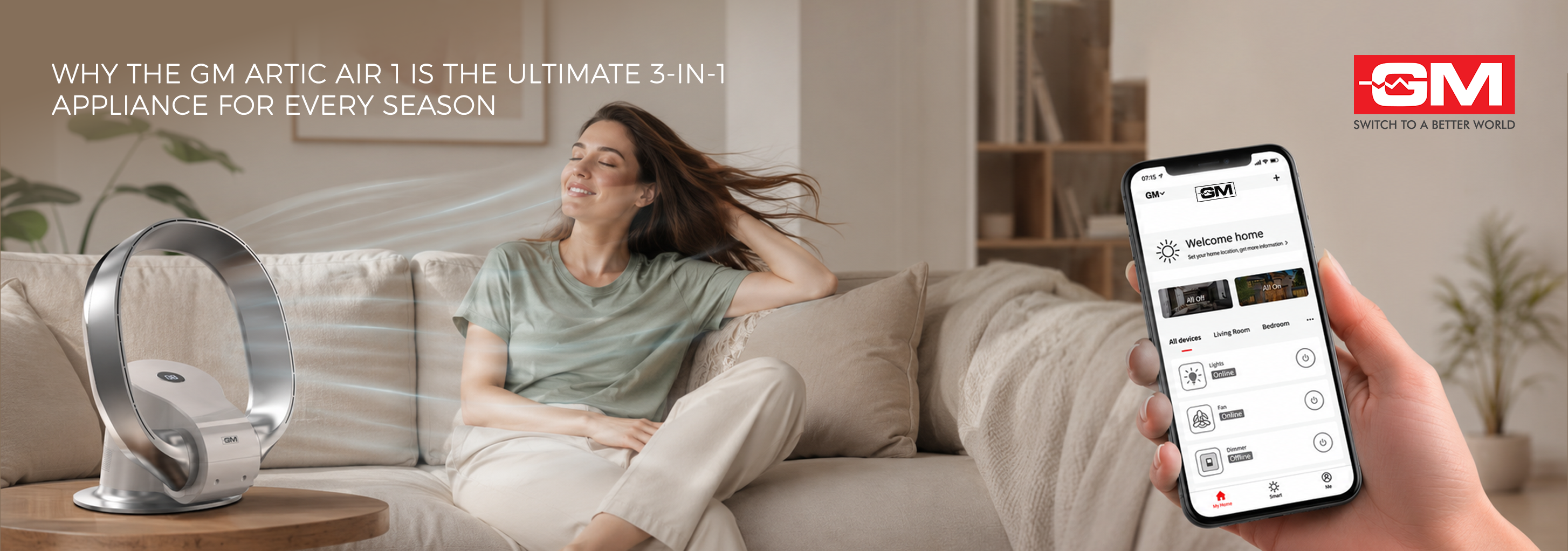
GM Artic Air 1: 3-in-1 Bladeless Tower Fan
Why the GM Artic Air 1 Is the Ultimate 3-in-1 Appliance for Every Season Picture one slim tower in the corner of your living room. In May, it cools you through a brutal afternoon. In August, it clears the damp, stale air the monsoon leaves beh
Read More
Wireless Charging vs Wired Charging: Which Is Faster?
Wireless Charging vs Wired Charging: Which Is Faster? If your phone is at 10% and you have twenty minutes before heading out, which charger should you grab: the cable or the pad? Wireless charging is everywhere now, yet most of us still reach for a
Read More