Blog
Best 7 Proven Tips to Extend Your Geyser's Lifespan
Updated on Mar 2026
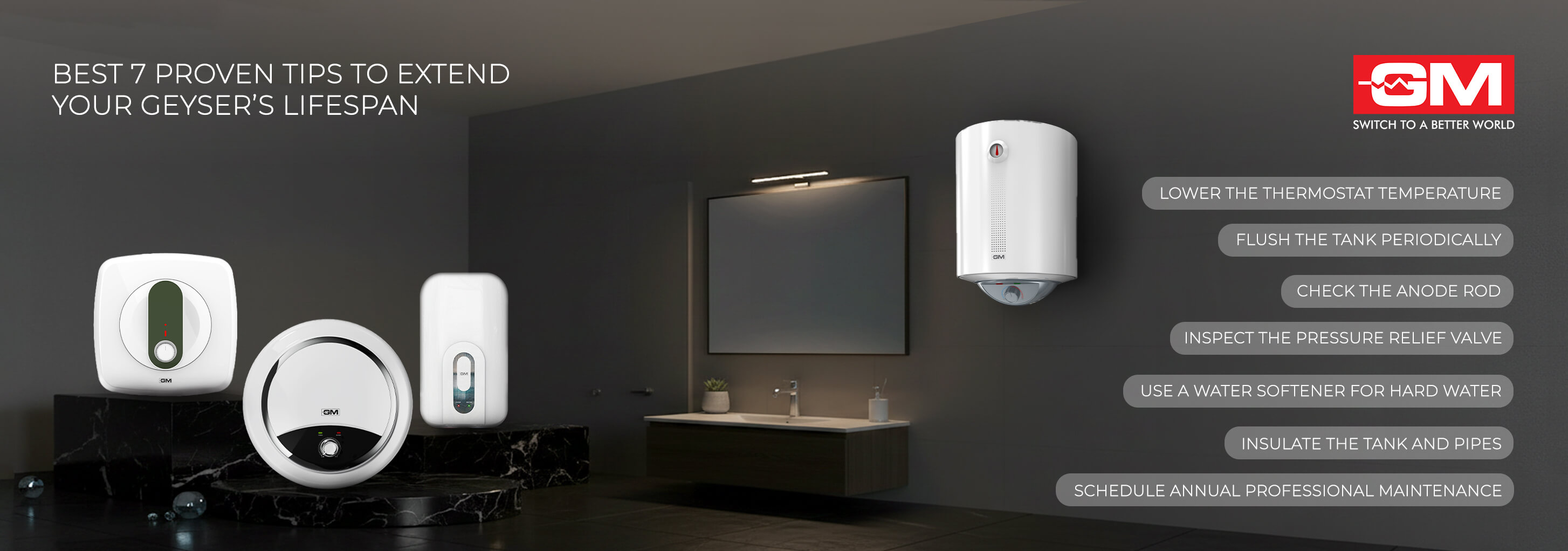
A water heater that fails unexpectedly can mean cold showers, emergency repairs costing ₹5,000–₹10,000, or worse, a complete replacement. For most Indian households, the geyser is an essential appliance, particularly during winter months when hot water becomes a daily necessity. The good news? Simple maintenance habits can add years to your geyser's lifespan and keep your hot water flowing reliably.
Why Regular Maintenance Matters?
Maintaining your water heater for bathroom use is essential, especially in India, where hard water is common. Mineral deposits accumulate inside the tank, reducing heating efficiency and forcing the unit to consume more electricity. Neglected geysers can develop leaks, corroded components, or safety risks; worse still, internal rust can spread silently until your tank fails without warning. Regular maintenance helps extend water heater life by catching these issues early, saving you from costly surprises.
7 Tips to Maintain Your Geyser
1. Lower the Thermostat Temperature (DIY-friendly)
Keeping your geyser's thermostat between 55°C and 60°C is ideal for most households. Higher temperatures accelerate mineral buildup, increase scalding risk, and waste energy. Many factory settings are at 70°C or above, which is unnecessary for bathing. This simple adjustment can reduce your electricity bill noticeably while protecting the heating element from premature wear.
2. Flush the Tank Periodically (Professional recommended)
Sediment accumulates at the bottom of your geyser tank, especially in hard water areas. This mineral layer acts as an insulator, making the heating element work harder. Annual flushing removes this sediment. If you are unsure about the process, consult a qualified technician; improper flushing can damage the unit.
3. Check the Anode Rod (Professional recommended)
The anode rod is a sacrificial component designed to corrode so your tank does not. Made of magnesium or aluminium, it attracts corrosive elements in the water. Have it inspected every two to three years; replacing a worn anode rod (around ₹500–₹1,500) can prevent tank corrosion that would require full replacement.
4. Inspect the Pressure Relief Valve (DIY-friendly (with caution))
The Temperature and Pressure Relief (TPR) valve is a critical safety feature that releases excess pressure. Test it annually by lifting the lever briefly; water should flow out and stop when released. If it drips continuously or fails to release water, have it replaced immediately. Always turn off the power supply before performing this check.
5. Use a Water Softener for Hard Water (Professional installation)
Hard water is the primary enemy of geysers. The minerals form a scale that coats heating elements and tank interiors, reducing efficiency by up to 25%. Installing a water softener reduces mineral content, significantly decreasing scale buildup and helping your geyser operate efficiently for longer.
6. Insulate the Tank and Pipes (DIY-friendly)
Heat loss through tank walls and pipes makes your geyser work harder than necessary. Insulating hot water pipes with foam tubes and adding a tank blanket (for older units without built-in insulation) helps retain heat longer. Modern units like the GM water heater range come with superior PUF insulation built in, which maintains water temperature efficiently.
7. Schedule Annual Professional Maintenance (Professional required)
Professional maintenance ensures thorough inspection of electrical connections, heating elements, and internal components. This is particularly important in areas with voltage fluctuations, which can damage electrical parts over time. Annual servicing (typically ₹500–₹1,000) is a small investment that prevents major repairs.
Signs Your Geyser Needs Immediate Attention
Even with regular maintenance, geysers can develop issues requiring prompt action. Recognising these warning signs early can help extend water heater life and prevent major breakdowns:
-
Strange noises, such as rumbling, popping, or crackling sounds, indicate sediment buildup
-
Rusty or discoloured water suggests internal corrosion
-
Water pooling around the base signals potential leaks
-
Lukewarm water, despite normal settings, points to a failing heating element
-
Frequent tripping of the circuit breaker indicates electrical issues
If you notice any of these signs, consult a professional technician promptly.
Also Read: How to Install a Geyser: Step-by-Step Guide
When Should You Consider Replacing Your Geyser?
If your geyser is over 8–10 years old, requires frequent repairs, or shows multiple warning signs, replacement often makes more financial sense than continued repairs. When upgrading, look for units with corrosion-resistant tank coatings, quality insulation, and proper safety certifications.
GM Modular's water heater for bathroom and kitchen use features Blue Diamond Glassline coating for exceptional corrosion resistance, along with thermal cut-off protection, pressure relief valves, and ISI certification. With sleek designs that complement modern bathrooms, a GM water heater combines durability, efficiency, and style in one reliable package.
Quick Reference: Annual Geyser Maintenance Checklist
✔ Check thermostat setting (55°C–60°C)
✔ Test TPR valve operation
✔ Schedule a professional flush and inspection
✔ Have the anode rod checked (every 2–3 years)
✔ Inspect for leaks around the base and connections
Maintaining your geyser does not require significant effort, but the benefits are substantial. Simple habits like adjusting temperature settings, periodic flushing, and annual professional servicing can add years to your appliance's life while reducing energy bills. When it is time for an upgrade, choose durability and efficiency with GM Modular's range of geysers. Explore GM Modular's energy-efficient water heaters today.
Also Read: Top 4 GM Modular Water Heaters
Frequently Asked Questions
1. How long does a typical geyser last?
A well-maintained geyser typically lasts between 8 and 12 years. The actual lifespan depends on water quality, usage patterns, and maintenance consistency. Units in hard water areas may require more frequent attention.
2. Can I install a water heater for bathroom use myself?
Professional installation is strongly recommended for safety reasons. Electrical and plumbing connections require expertise to ensure proper functioning and warranty validity.
3. How often should I service my GM water heater?
GM Modular recommends annual servicing for optimal performance. Regular professional maintenance helps identify potential issues early and ensures all safety features function correctly.
4. Does turning off the geyser save electricity?
Yes, keeping your geyser on continuously results in standby heat loss. Switching it off when not needed, particularly for several hours or when away from home, can reduce electricity consumption noticeably.
5. What causes the geyser to make noise?
Rumbling or popping sounds typically indicate sediment buildup at the bottom of the tank. As water heats beneath this layer, it creates steam bubbles that cause noise.
Related Blogs

Bladeless Fan Buying Guide: 10 Checks | GM Modular
Bladeless Fan Buying Guide: 10 Things to Check Before You Buy A bladeless fan looks like the obvious upgrade. No spinning blades, a slim tower, a quiet hum, and a price that hints it must be the better choice. But the word “bladeless” on
Read More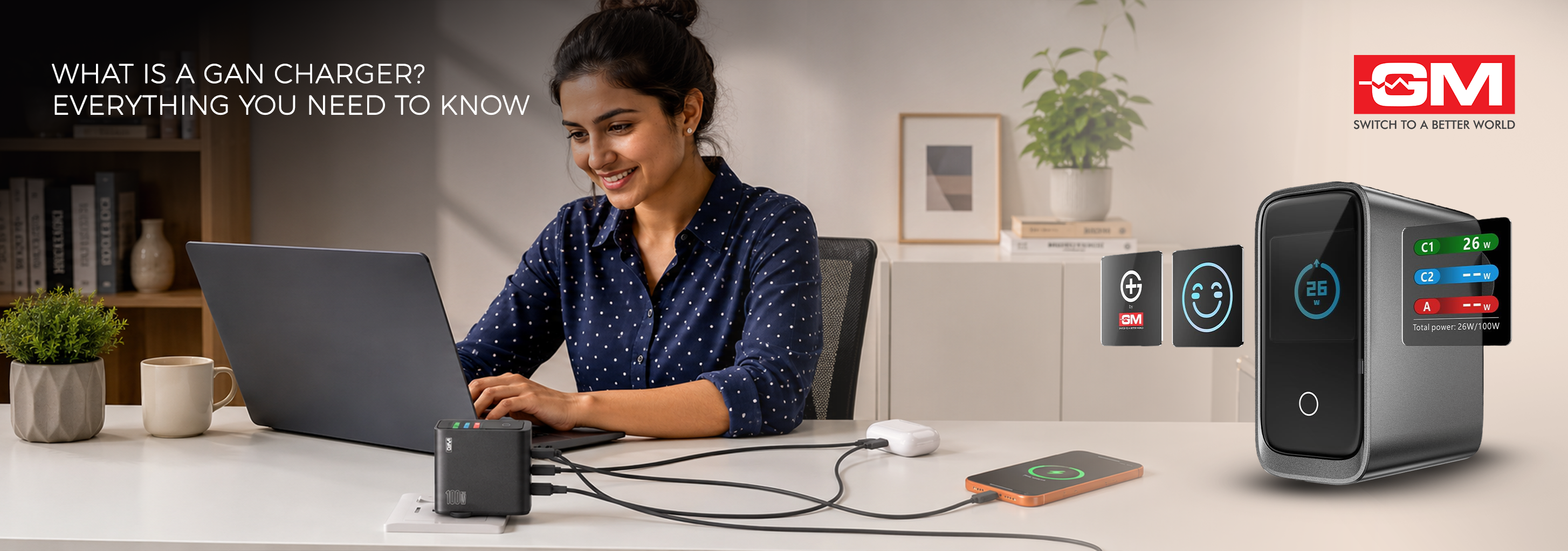
What Is a GaN Charger? A Simple Guide
What Is a GaN Charger? Everything You Need to Know You have probably used gallium nitride for years without knowing it. Before it reached the charger on your wall, this material lit up the first white LEDs, powered blue lasers, and read the discs in
Read More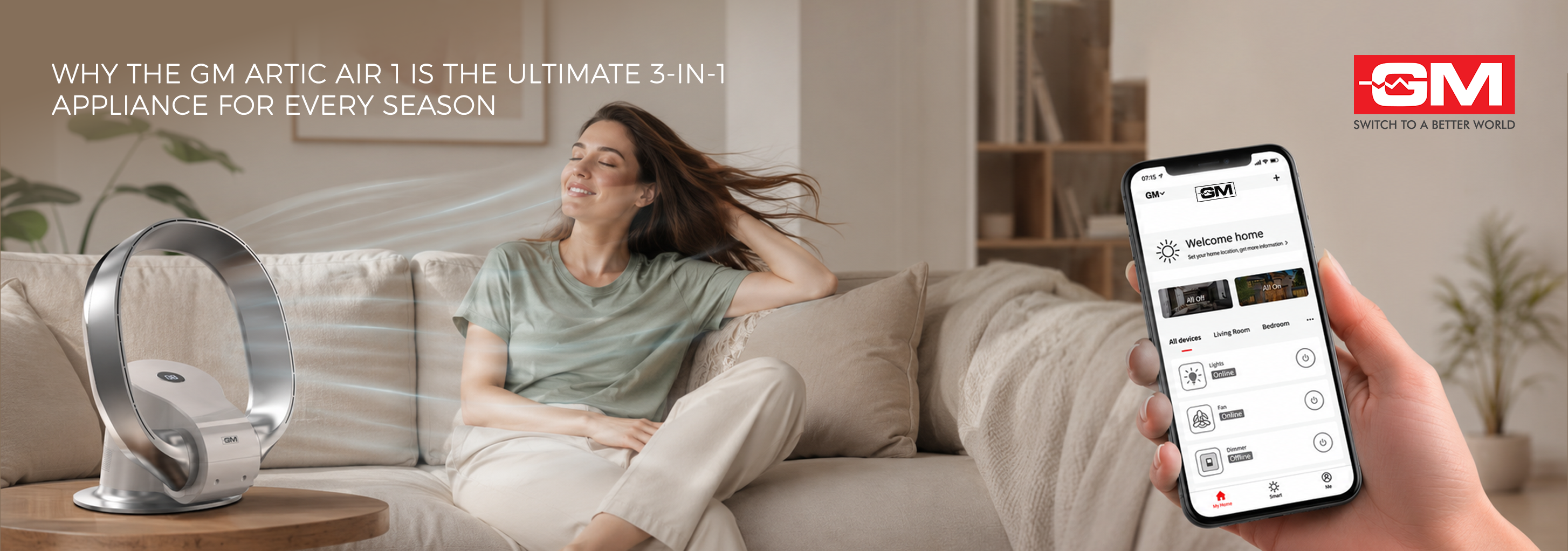
GM Artic Air 1: 3-in-1 Bladeless Tower Fan
Why the GM Artic Air 1 Is the Ultimate 3-in-1 Appliance for Every Season Picture one slim tower in the corner of your living room. In May, it cools you through a brutal afternoon. In August, it clears the damp, stale air the monsoon leaves beh
Read More
Wireless Charging vs Wired Charging: Which Is Faster?
Wireless Charging vs Wired Charging: Which Is Faster? If your phone is at 10% and you have twenty minutes before heading out, which charger should you grab: the cable or the pad? Wireless charging is everywhere now, yet most of us still reach for a
Read More